In-depth Research and Development Prospect Analysis Report on China's Mold Industry (2025-2030)
Industry Overview
Often referred to as the "Mother of Industry," molds are the various dies and tools used in industrial production to manufacture desired products through methods such as injection molding, blow molding, extrusion, die casting, forging, smelting, and stamping. They are widely applied in shaping and forming processes, including blanking, die forging, cold heading, extrusion, powder metallurgy compaction, pressure casting, as well as compression and injection molding for engineering plastics, rubber, and ceramics.
A mold generally consists of two parts: the moving mold and the fixed mold (or the punch and the die), which can be separated and closed. The molded part is removed when the mold is open, while the raw material is injected into the mold cavity to form the product when it is closed. As a precision tool with complex shapes, a mold must withstand the expansive force of the raw material. Therefore, it has stringent requirements for structural strength, rigidity, surface hardness, surface roughness, and machining accuracy. The development level of mold production is one of the important indicators of a country's mechanical manufacturing capabilities.
There are many types of molds. Based on the processing objects and manufacturing processes, they can be classified into molds for metal processing, and molds for non-metal and powder metallurgy processing. According to structural characteristics, they are divided into flat blanking dies and spatial cavity molds. Depending on the materials being molded, they can be categorized into hardware molds, plastic molds, and special-purpose molds. Furthermore, based on the molding and processing techniques, molds include stamping dies, injection molds, casting molds, forging dies, and rubber molds, among others.
Industry Market Development
The strength and level of mold manufacturing capabilities are crucial indicators of a country's innovation capacity and serve as a vital guarantee for maintaining its international competitiveness. This is because molds are essential process equipment in material forming and manufacturing. The value of the products they produce is often many times greater than the value of the molds themselves, as molds enable the effortless mass production of large quantities of high-value components that meet strict quality standards. Currently, molds are widely applied across various industries, including machinery, electronics, automotive, information technology, aviation, aerospace, light industry, defense, transportation, building materials, healthcare, biotechnology, and energy. Approximately 60% to 80% of the components in these aforementioned industries rely on molds for forming and processing.
Although China's mold industry started relatively late, it has grown at a remarkably rapid pace. The modern mold industry in China began its development in the 1970s. After years of progress, China has successfully established a comprehensive industrial system that encompasses mold technology R&D institutions as well as production and supply networks, achieving significant advancements in both industrial scale and technological capabilities. In 2025, the total output value of China's mold industry reached 380 billion RMB. Among them, injection molds have been the driving force behind the fluctuations in China's mold production. Driven by the trend of automotive lightweighting and the development of new material industries, the plastic mold market has expanded rapidly, accounting for approximately 45% of the overall market share.
In recent years, China's rapid economic growth and rising national income have led to a substantial surge in consumer demand, which in turn has spurred the rapid development of related industries. Meanwhile, as domestic manufacturing continues to thrive, global manufacturing has gradually shifted toward China, driven by its advantages in labor, cost, and demand. This shift has further propelled the development of China's manufacturing sector and ignited a rapid increase in mold demand, providing robust momentum for the expansion of the mold industry. According to data, China's mold production in 2025 reached approximately 10.5 million sets, representing a year-on-year growth of 7.4%.
Meanwhile, driven by the dual upgrades of consumption and manufacturing, the advent of the "Made in China" era, and the increasingly stringent requirements for molds across various industries, the mold industry is encountering new opportunities and challenges. The pursuit of high precision will become the key focus for domestic mold manufacturers in product R&D and production. Guided by the "Made in China" initiative, which clearly defines the development goals and pathways for the manufacturing sector, digitalization, networking, and intelligentization are leading the rapid development of the mold industry, garnering widespread and enthusiastic responses from enterprises.
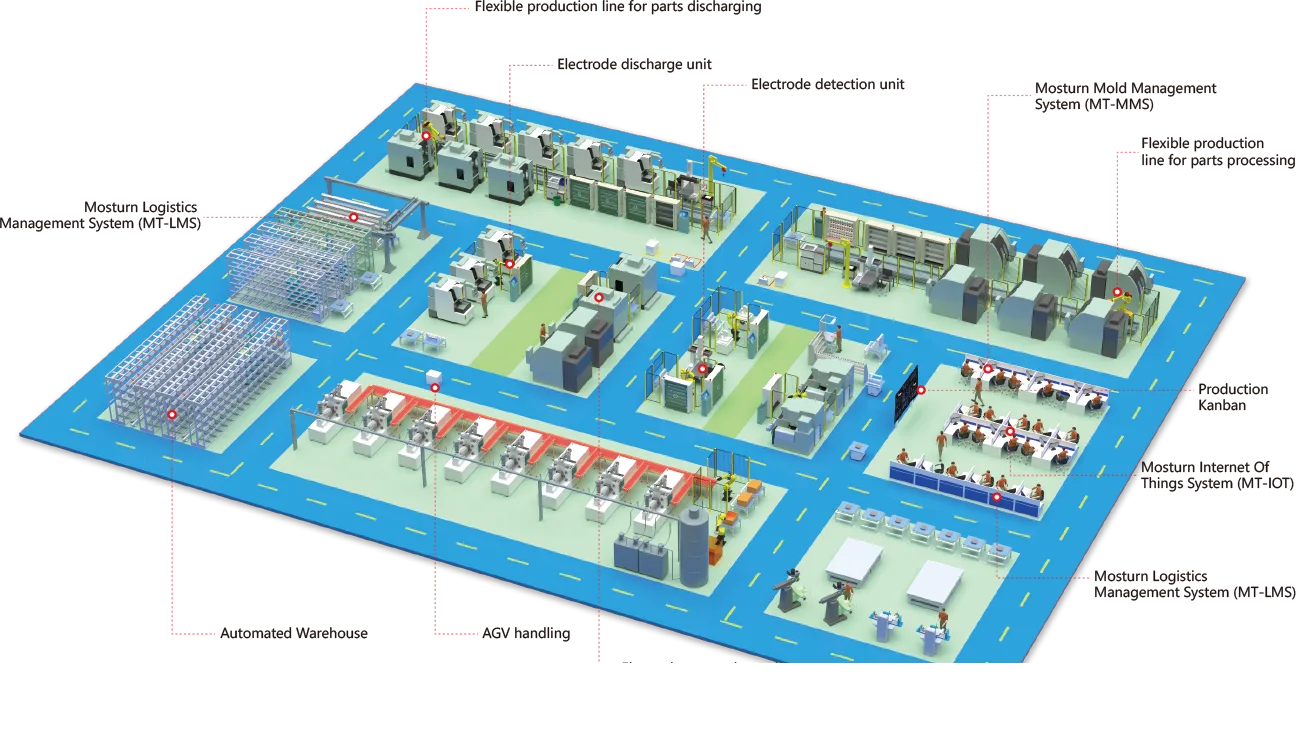
Currently, the integration of industrialization and informatization in the mold industry is deepening, leading to significant transformations and upgrades in mold manufacturing and production methods. Digital molds have become a vital pillar supporting China's mold industry. Digital and intelligent technologies have permeated the entire manufacturing development process, playing an indispensable role in enhancing development efficiency, ensuring product quality, and optimizing costs. The key challenge now is how to build a comprehensive digital and intelligent manufacturing system, conduct in-depth R&D of digital technologies, and expand their application scope, with a particular focus on meeting the autonomous development cycles and quality standards for body-in-white (BIW) equipment. By leveraging digital twin technology and utilizing the BIW equipment development process as a practical application, the industry aims to develop full-process digital technologies for BIW equipment, create industry-leading core intelligent equipment, and support the high-quality development of vehicle manufacturers such as FAW Group's Hongqi (Red Flag) brand. Furthermore, this initiative will strengthen the independent R&D of core technologies and critical equipment, ensuring that these pivotal technologies remain firmly under domestic control.
Nowadays, digitalization has become synonymous with high-speed and highly efficient development in the industry, playing a profoundly crucial role in driving production. Currently, digital production methods represent a vital direction for the advancement of the advanced mold manufacturing sector. The digitalization of mold manufacturing is the result of the intersection, integration, and application of mold manufacturing technology, computer science, network technology, and management sciences. It is also an inevitable trend for mold manufacturing enterprises, systems, and production processes to continuously achieve digital transformation. With the continuous advancement of information technology, the digitalization of the mold manufacturing industry is being further strengthened. The deep integration of mold manufacturing technology and information technology has made digitalization a breakthrough for utilizing IT to revamp traditional industries and drive industrial upgrading through informatization.
Industry Market Demand
The primary application areas for China's mold products are concentrated in industries such as automotive, power batteries, IT, electronics, and home appliances.
1、Automotive
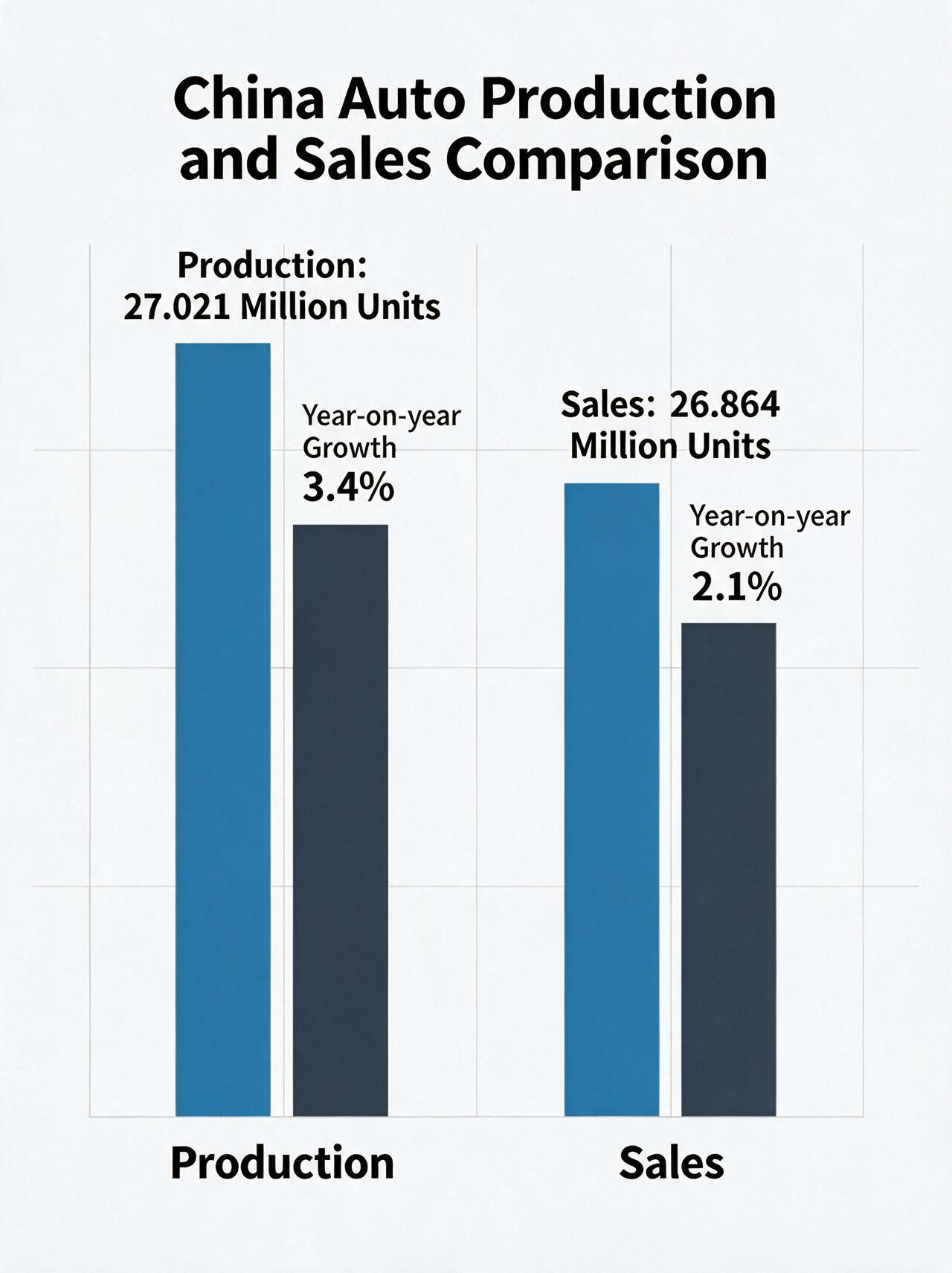
Currently, the automotive sector is the largest application market for mold products. Although market demand was sluggish from 2017 to 2020, with production and sales maintaining a downward trend, China remains the world's largest automotive market. Since 2021, with the normalization of domestic and international pandemic prevention and control measures, coupled with the implementation of the national policy of halving vehicle purchase tax and local government initiatives to stimulate auto consumption, China's automotive consumer market has continued to recover, driving up production and sales. According to data, in 2025, China's automotive production and sales reached 27.021 million units and 26.864 million units respectively, representing year-on-year growth of 3.4% and 2.1%.
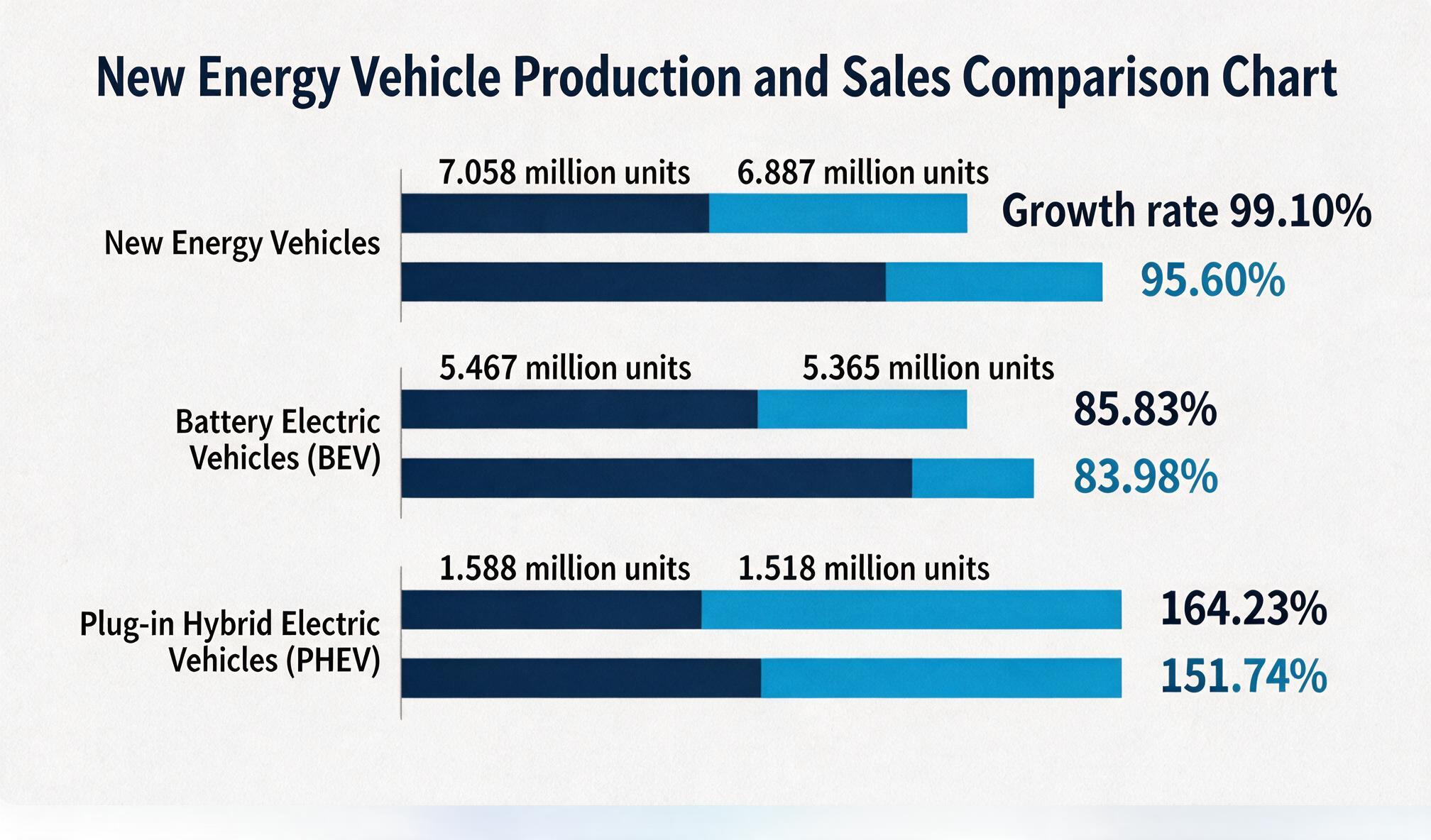
Meanwhile, driven by the increasingly stringent national environmental regulations, China's automotive industry is in a critical period of transforming its development model, optimizing its industrial structure, and shifting its growth drivers. New energy vehicles (NEVs) are expected to maintain a sustained long-term development trend. According to statistics from the China Association of Automobile Manufacturers (CAAM), in 2025, China's NEV production and sales reached 7.058 million units and 6.887 million units respectively, representing year-on-year growth of 99.10% and 95.60%. Among them, battery electric vehicles (BEVs) recorded production and sales of 5.467 million units and 5.365 million units respectively, with year-on-year growth of 85.83% and 83.98%. Plug-in hybrid electric vehicles (PHEVs) saw production and sales of 1.588 million units and 1.518 million units respectively, surging year-on-year by 164.23% and 151.74%.
It is evident that as the automotive sector—the largest application market for mold products—gradually recovers and the production and sales of new energy vehicles (NEVs) experience substantial growth, this will continue to drive the expansion of China's mold industry.
2. Power Batteries
In recent years, driven by the rapid development of China's new energy vehicle (NEV) industry, automakers' demand for power batteries has grown swiftly. As newly built capacities from domestic battery manufacturers are gradually released, production has continued to increase. Particularly since 2021, the robust rise of the downstream NEV market has generated strong demand, propelling a surge in the production and sales of power batteries. Data shows that in 2025, the production and sales of China's power battery industry reached 545.9 GWh and 465.5 GWh respectively, both more than doubling year-on-year, with specific growth rates of 148.5% and 150.27%.
3. Home Appliances
Home appliances primarily refer to various electrical and electronic devices used in households and similar environments, also known as civil appliances or daily-use appliances. In recent years, as national economic conditions have improved and residents' disposable income has increased, domestic consumption has been stimulated, leading to a rise in home appliance sales and an upward trend in operating revenue. Although in 2020, affected by the COVID-19 pandemic, China's home appliance operating revenue stood at 1.48 trillion RMB, representing a year-on-year decline of 1.06%, the economic recovery in 2024 propelled the operating revenue back to 1.73 trillion RMB, marking a year-on-year growth of 15.5%. In 2025, China's home appliance operating revenue continued its recovery, reaching 1.75 trillion RMB.
4. Industry Sub-segment Market Overview
1、Plastic Molds
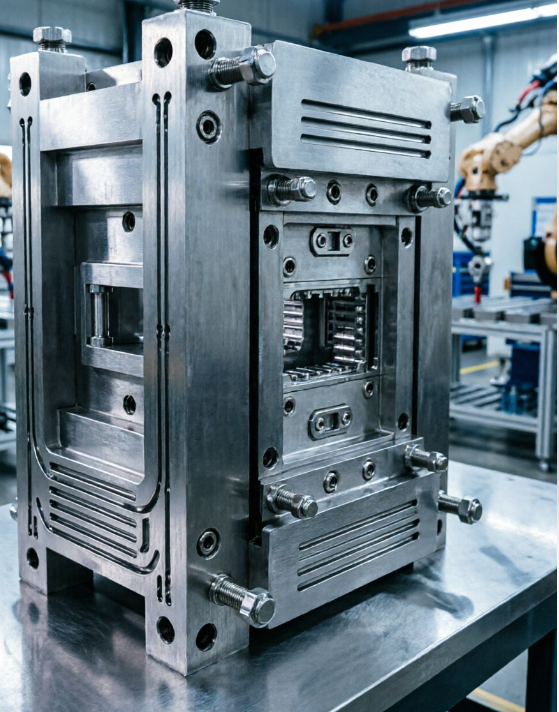
In recent years, driven by the steady advancement of automotive lightweighting and the continuous development of China's plastics industry—particularly the modern new materials sector such as engineering plastics—the plastic mold market has experienced rapid growth. It has now become the largest sub-segment in China's mold industry, accounting for approximately 45% of the market share.
n recent years, driven by the continuous development of the plastics industry—particularly modern new materials such as engineering plastics—along with the growing public awareness of energy conservation and environmental protection, the concept of "scientific emission reduction and cost-effective development" has become a long-term trend across various industries. Substituting plastics for wood and steel has emerged as a crucial pathway for energy conservation and emission reduction. As a fundamental molding tool for manufacturing plastic products, plastic molds have consequently experienced substantial development. Taking automotive injection molds as an example, with the further tightening of global emission and fuel consumption regulations, reducing vehicle weight has become increasingly significant. The market share of plastics in automotive materials is expected to rise further, thereby creating a favorable market environment for automotive injection molds. This will lead to an expanded range of application categories and continuous growth in industry scale. According to data, the overall market size of China's automotive mold industry reached approximately 125.74 billion RMB in 2025. From a macro perspective, the total output value of China's mold industry hit 3,800 billion RMB in the same year. Among them, injection molds have been the primary driving force behind the fluctuations in China's mold production. Driven by the trend of automotive lightweighting and the development of new material industries, the plastic mold market has expanded rapidly, accounting for approximately 45% of the overall market share.
2. Stamping Dies
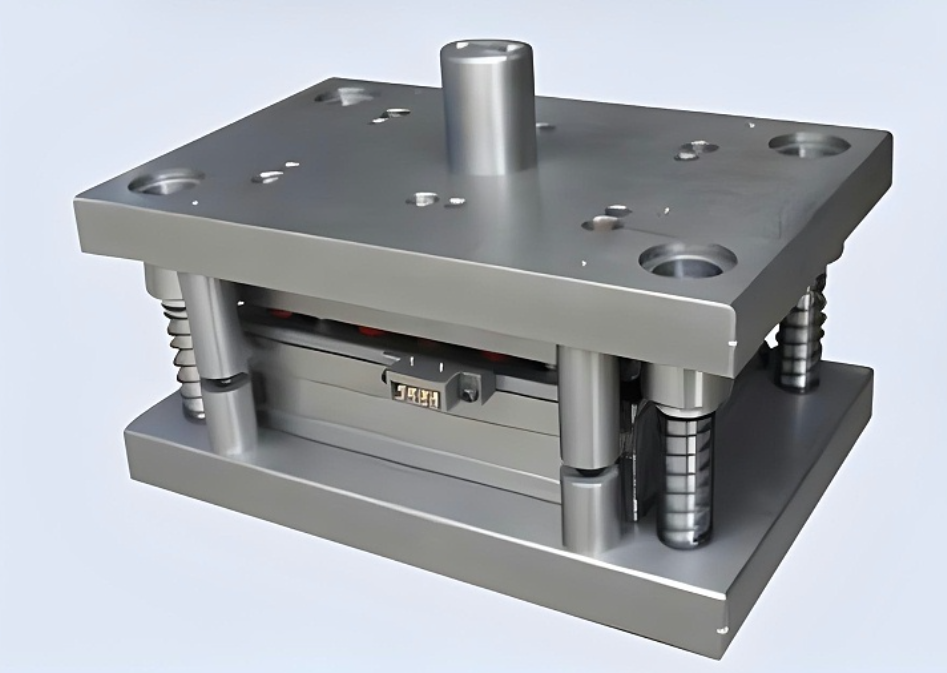
Besides plastic molds, stamping dies also hold an indispensable position in the mold manufacturing industry. They are particularly closely tied to the automotive sector. According to relevant data, over 95% of the components in automobile production rely on molds for forming. Generally, manufacturing a standard passenger car requires approximately 1,000 to 1,500 sets of stamping dies. Statistics indicate that stamping dies currently account for 37% of the overall mold market.
Stamping dies are one of the indispensable tools in the manufacturing industry, widely applied across various sectors. With the continuous advancement of technology and the rapid development of manufacturing, the market demand and prospects for stamping dies are becoming increasingly broad.
Taking automotive stamping dies as an example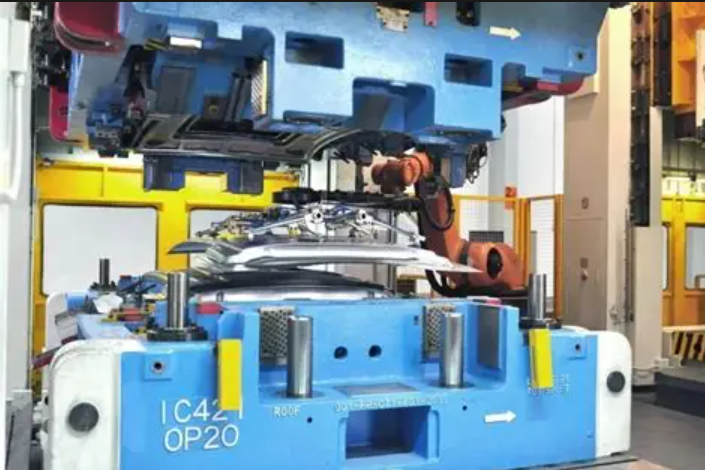
In automotive manufacturing, stamping dies are used to produce body panels, chassis components, and interior parts. As automotive design increasingly trends toward lightweighting and complexity, the requirements for stamping dies are becoming ever more stringent. Consequently, stamping die manufacturing technology holds a crucial position in the automotive manufacturing sector. In recent years, the rapid advancement of computer and numerical control (NC) technologies has led to the emergence of CNC machine tools and computer-aided design (CAD) software, significantly enhancing the machining precision and automation levels of automotive stamping dies. Furthermore, with the continuous development of advanced material manufacturing technologies, the manufacturing techniques for automotive stamping dies have been further upgraded. Data shows that in 2025, the market size of China's automotive stamping die industry reached 148.8 billion RMB, representing a year-on-year growth of 9.7%.
Industry reports serve as a crucial basis for enterprises, relevant investment firms, and government departments to accurately grasp industry development trends, gain deep insights into the competitive landscape, mitigate operational and investment risks, and formulate sound competitive and investment strategies. This report is an indispensable tool for comprehensively understanding the industry and making informed investment decisions.