Mosturn × Shanghai Runtong: End-to-End Digital Management Empowering the Intelligent Transformation of High-End Manufacturing
Injection molding is a manufacturing process in which plastic products are formed through injection and molding, and injection molds play an indispensable role in the modern industrial system. Compared with conventional molds, injection mold manufacturing features a high degree of automation, diverse product categories, and highly flexible product dimensions. These characteristics also impose stricter requirements on dimensional accuracy, surface quality, machining processes, mold design, and manufacturing.
Shanghai Runtong Plastic Mold Co., Ltd.
Specializing in Injection Molding to Support High-End Applications Across Multiple Industries
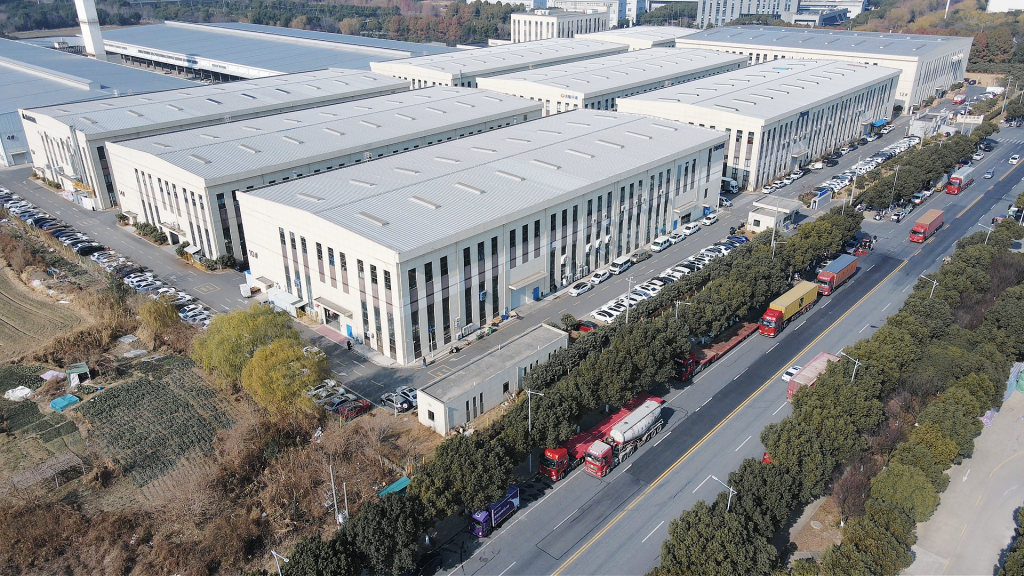
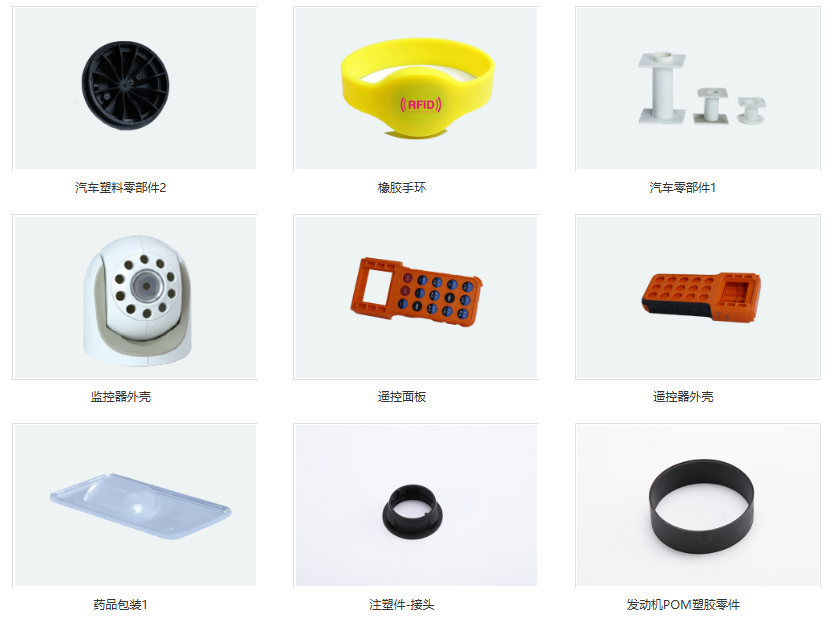
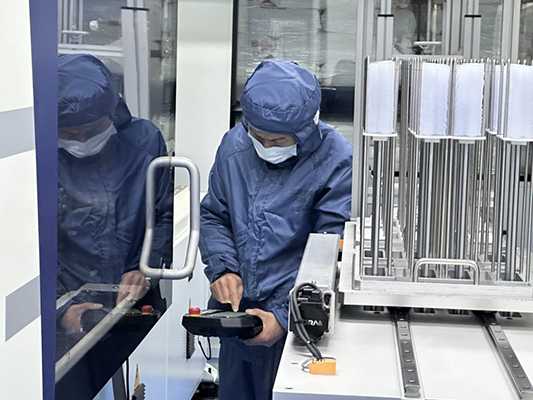
Founded in 2012, Shanghai Runtong Plastic Mold Co., Ltd. is a professional manufacturing enterprise integrating mold design, mold manufacturing, and injection molding. With more than a decade of industry experience, the company has accumulated extensive expertise in injection molding and specializes in the production and assembly of injection molds and molded products for automotive components and pharmaceutical packaging materials. Its products are exported to markets across Europe and North America. The company operates two major manufacturing bases equipped with comprehensive production facilities and cleanroom workshops to ensure product quality, while maintaining a well-established quality management system. Through refined control of the entire process from production to delivery, Shanghai Runtong provides major brand customers with stable and reliable core supply-chain components backed by strong manufacturing and quality control capabilities.
Product Showcase:
Overcoming Management Challenges and Accelerating Intelligent Manufacturing Upgrades
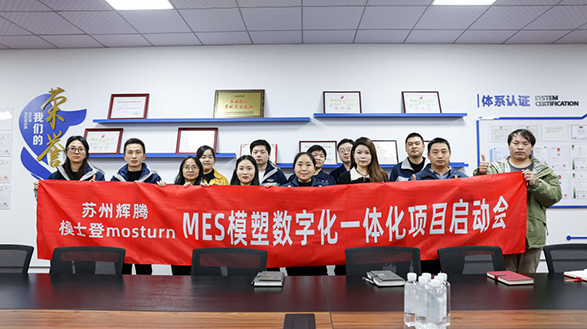
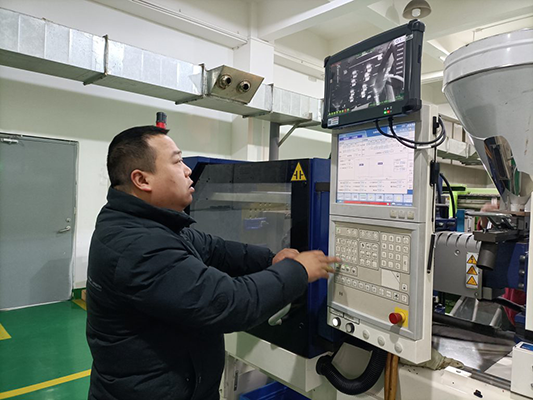
As Shanghai Runtong continued to expand its business, challenges in end-to-end digital production management became increasingly apparent. Data related to machines, molds, process conditions, and production schedule progress relied heavily on manual collection, while critical information such as quality abnormalities could not be reported in a timely manner. The existing traditional ERP system was also unable to fully meet actual manufacturing requirements, leaving significant room for improvement in production planning, quality control, equipment management, warehousing, logistics, and other operational areas. To address these challenges, Mosturn focused on equipment management and refined production process tracking and developed an integrated solution covering production work order execution, equipment management, and other key production elements throughout the manufacturing lifecycle, helping Shanghai Runtong accelerate its intelligent manufacturing transformation.
Digital Traceability and Process Control to Strengthen the Production Foundation
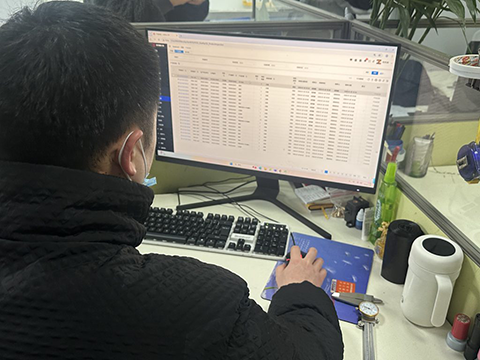
To address the reliance on handwritten production reporting and insufficient product quality traceability in traditional manufacturing processes, the Mosturn MES system establishes a standardized and structured production management framework. Once a production work order is issued through the system, the workshop prepares the required materials, molds, tooling, and other production resources according to the work order and reports progress back to the system in real time. Semi-finished and finished products generated during production are assigned unique codes for end-to-end tracking. Barcode-based reporting enables operators to quickly report production results, making production progress transparent and visible in real time. Inspection results can also be entered and recorded directly in the system, enabling digitalized and refined production management throughout the entire manufacturing process.
Real-Time Equipment Monitoring and Accurate OEE Analysis
To address the reliance on handwritten production reporting and insufficient product quality traceability in traditional manufacturing processes, the Mosturn MES system establishes a standardized and structured production management framework. Once a production work order is issued through the system, the workshop prepares the required materials, molds, tooling, and other production resources according to the work order and reports progress back to the system in real time. Semi-finished and finished products generated during production are assigned unique codes for end-to-end tracking. Barcode-based reporting enables operators to quickly report production results, making production progress transparent and visible in real time. Inspection results can also be entered and recorded directly in the system, enabling digitalized and refined production management throughout the entire manufacturing process.
Intelligent Scheduling to Optimize Production Capacity Allocation
The Mosturn MES system incorporates intelligent production scheduling and resource optimization capabilities. Based on multiple key factors such as equipment capacity, order delivery dates, and production resource availability, the system can automatically generate optimized production schedules and visualize the capacity load of each process in real time, providing production planners with accurate and data-driven decision support. The system can also automatically generate outsourcing requirement recommendations and dedicated production plans, enabling refined management of outsourced procurement while fully utilizing workshop capacity and achieving globally optimized allocation of production resources.
Connecting Production Data to Build a Strong Digital Manufacturing Foundation
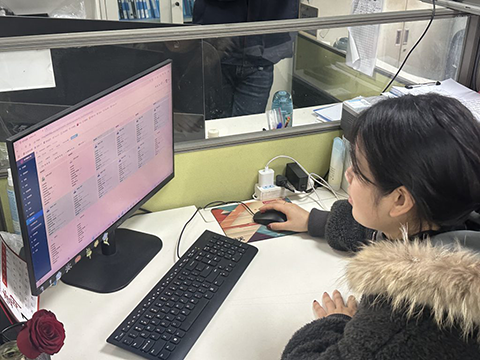
For injection molding enterprises, real-time production data collection and efficient information flow are essential for improving refined management, ensuring product quality, and enhancing manufacturing efficiency. The Mosturn MES system is deeply adapted to the production characteristics of injection molding enterprises and connects data across products, process parameters, logistics resources, and other manufacturing dimensions. Through an integrated information management platform, enterprises can achieve transparent and real-time control of production progress and establish a solid foundation for digital production management.